Tracing Light explores the most fascinating and significant of natural phenomena – light, with leading artists and physicists and with nature itself, as they develop artworks through which the ineffable nature of light is made tangible to our senses.
ENQUIRIES
Email: contact@sonjahenrici.com
WORLD SALES
PRESS
LATEST NEWS
Our News page has the most up-to-date information.

Synopsis
For Albert Einstein, the mysterious – that which defies description – was the origin of science and art. His theories and, simultaneously, Pablo Picasso’s art, fundamentally changed our understanding of the world. They understood the world to be more magical and complex than is dreamt of.
In Tracing Light, science and art come together to illuminate the mysteries of light: light which is the starting point of the journey into abstraction.
Tracing Light brings together leading physicists and artists from Scotland, England and Germany, from the far edge of Scotland’s Outer Hebrides to the Max Planck Institute in Erlangen, in a quest to understand and animate light.
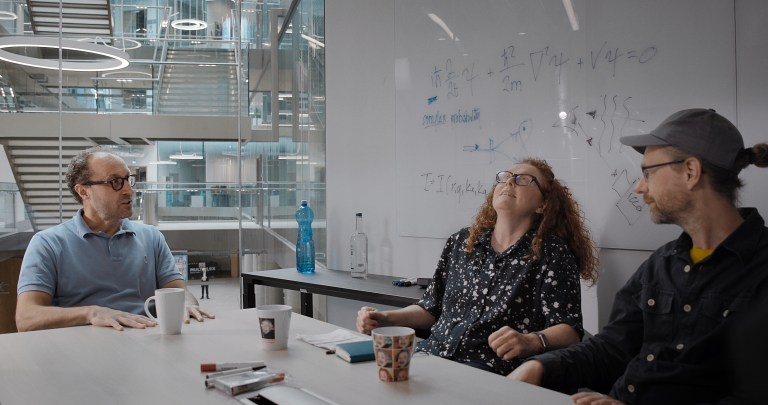
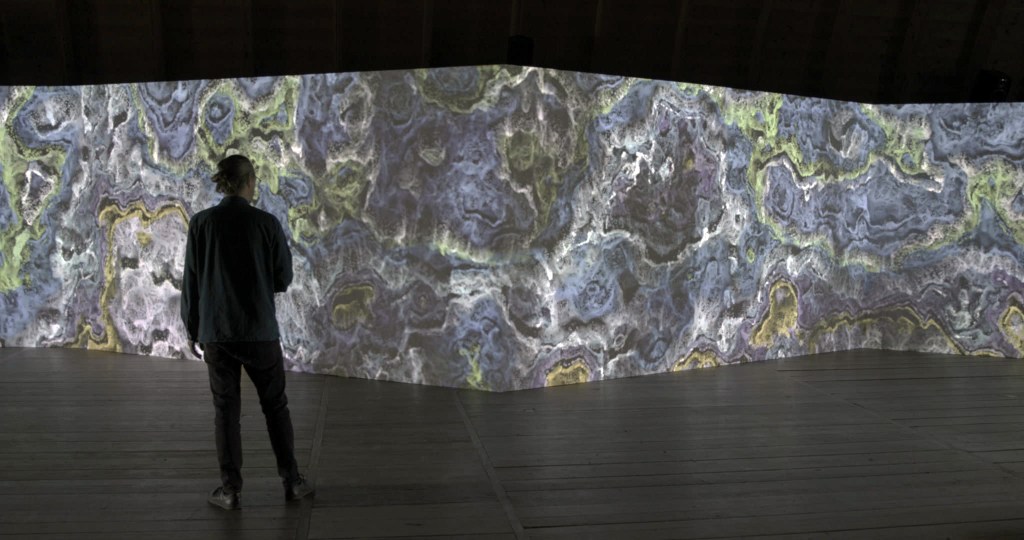
As part of a guest residency at the University of Glasgow, the artist duo Semiconductor – Ruth Jarman and Joe Gerhardt – is working with single-photon avalanche diode cameras, aka SPAD, which can be used to film the propagation of light in space. This collaboration between artists and physicists leads them directly into discussion about the nature of the speed of light and of time.
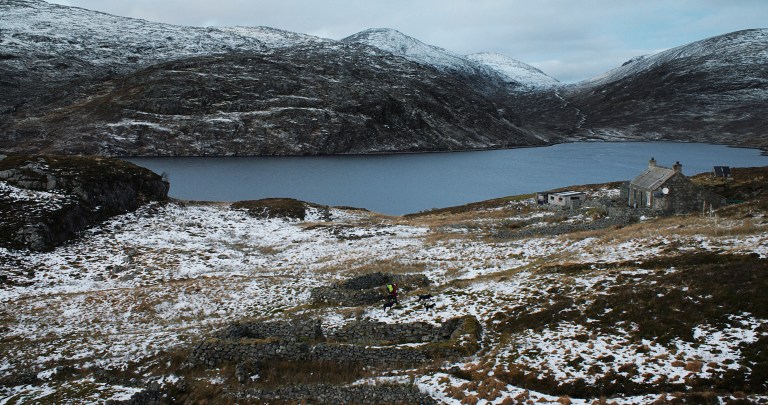
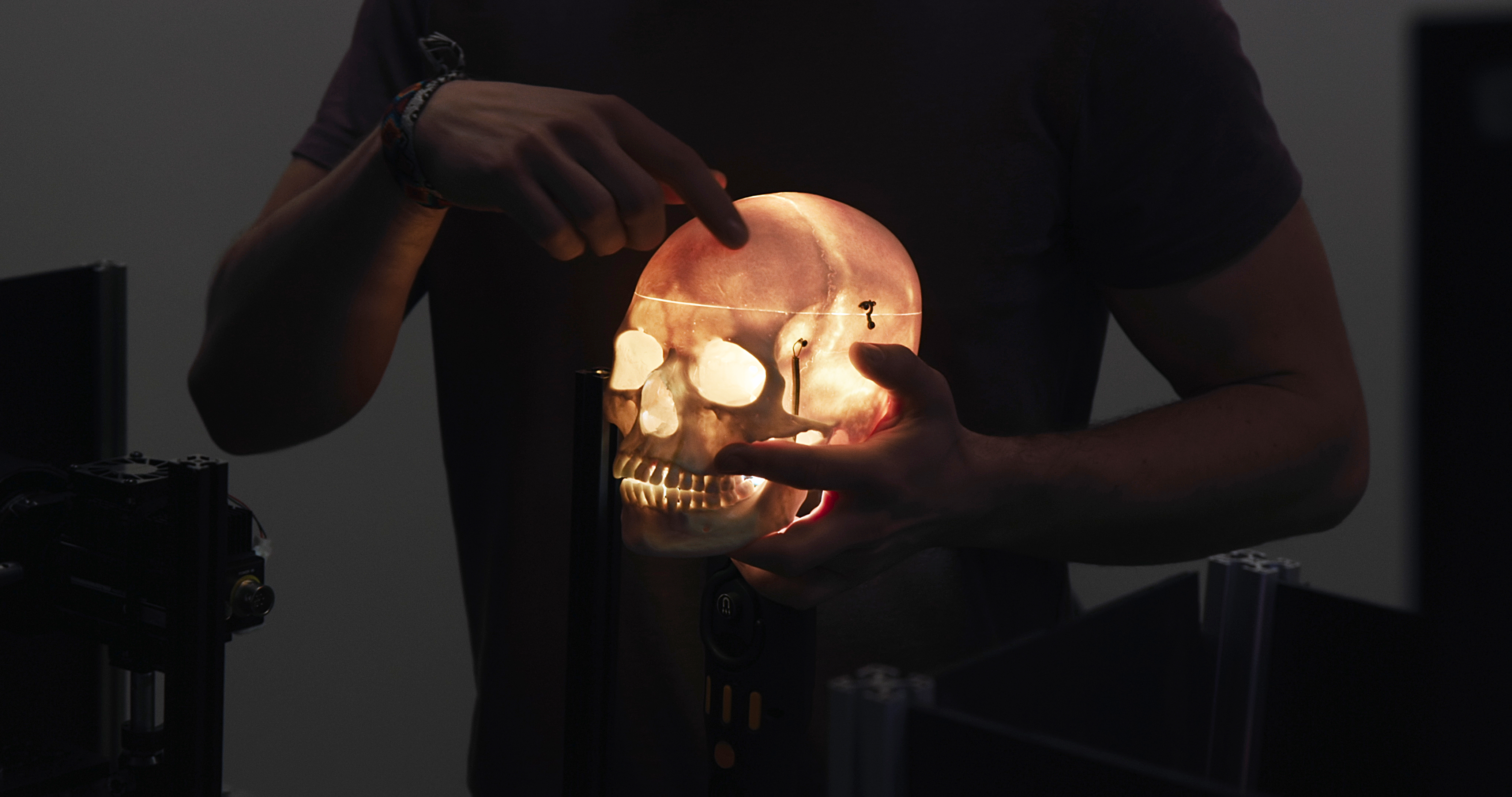
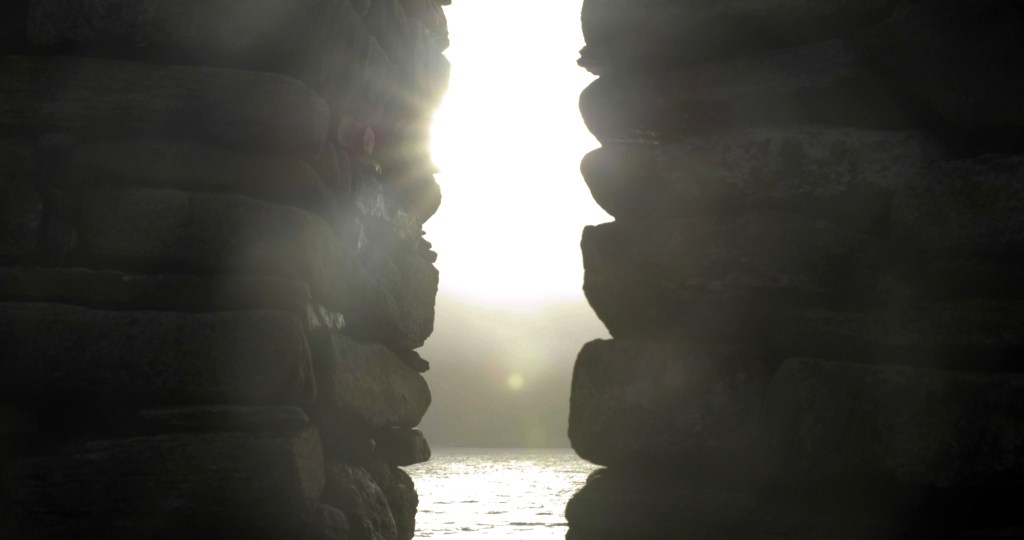
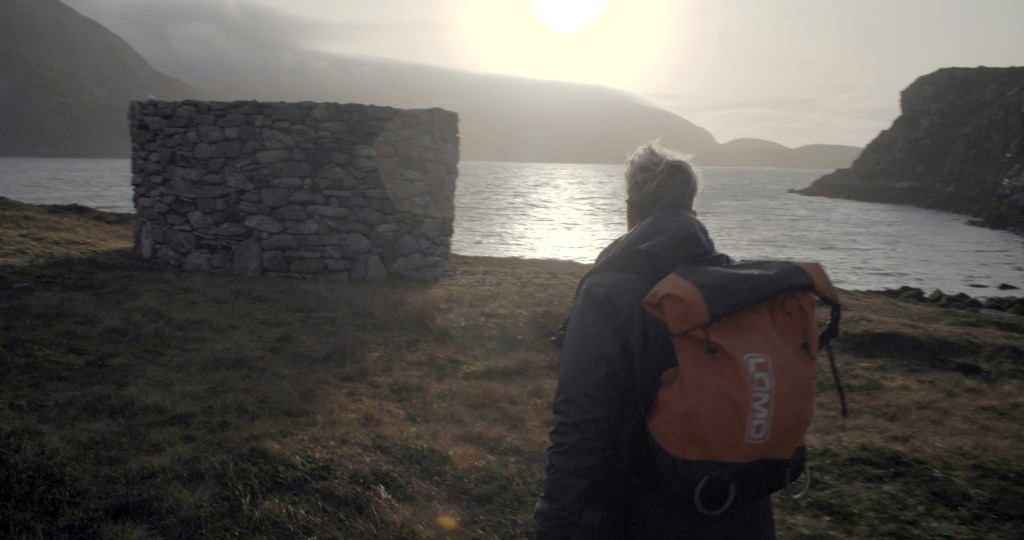
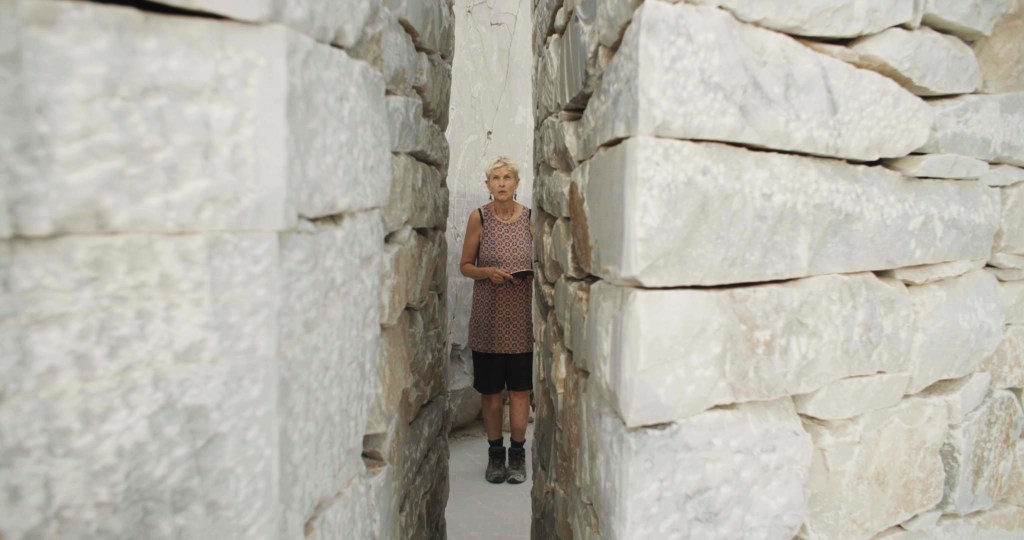
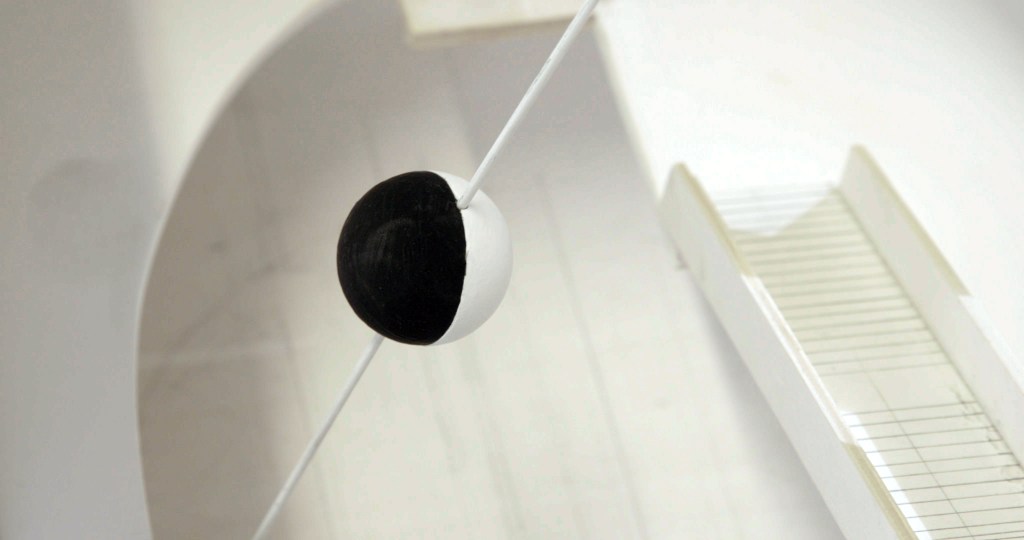
Julie Brook, one of a handful of female land artists, takes us on her search for light and colour to remote areas of Northern Scotland and into the marble quarries of Carrara, Italy. Fire, the eruption of stored sunlight, is particularly close to her heart. During their research at the Max Planck Institute for the Physics of Light in Erlangen, the artist duo Brunner/Ritz are immediately struck by the spacious foyer, a rotunda with a round glass roof and uniformly white, towering walls – an architecture designed to provide a suitable stage for light as it changes through the day. Intrigued by the inscrutable properties of light, with which they are confronted during a laser light table-football session with the scientists, they ask themselves the question: “What is the opposite of light?
Talking about light can seem confusing… well-nigh impossible. The quantum world does not align with our logic or our language and we often reach the limit of our understanding. Tracing Light does not want to propose explanations. Rather, Thomas Riedelsheimer’s images, in combination with the encounters between artists and scientists, aim to open up a space for mystery. This is where the magic and the sensuality of his film begin.


DIRECTOR’S STATEMENT
A film is made up of three phenomena: sound, time and light. I had concerned myself with time in my work with Andy Goldsworthy and with sound through my film with Evelyn Glennie. Light was missing to complete the trilogy – for good reason, as I realised over the last few years. It now seems to me that a film about light is somewhat of a paradox: a contradiction in terms. Joe Gerhardt, of the artist duo Semiconductor, says in Tracing Light , “You actually never see Light” and his partner Ruth Jarman adds, “Language fails in this instance”. Herein are two major insights: we perceive light only through the medium of matter – and we are unable to find the language to describe light.
Tracing Light thus circles around a phenomenon that touches and awes me like none other. Sometimes the beauty of light brings tears to my eyes – the way in which light can transform objects and scenes from mundane to epic: how light influences mood and conveys the most incredible notions. Light is the language of the universe. Almost everything we know, we know from light and its encounters.
And light is so much more than beautiful sunsets or shadow patterning. Light is philosophy. It puts our ability to think and to imagine to the test. In the realm of photons, nothing works as we know it in our everyday world. Particles are simultaneously waves and found in many different places at the same time. The very act of observing properties changes them. Time stands still and thus unites future, present and past. Light makes us realise that our human perception and our frames of reference are extremely limited, and that there are farther universes of possibilities. Light can make us more modest and humble – that has perhaps become my greatest realisation.
Tracing Light does not intend to explain anything – that would be presumptuous. But the film seeks to move us to feel how grand and wonderful this universe is. Even without us ever fully understanding it.
I hope that Tracing Light may convey a little of this fascination.
Thomas Riedelsheimer
DIRECTOR
Thomas Riedelsheimer
PRODUCED BY
Sonja Henrici, Thomas Riedelsheimer
ASSOCIATE PRODUCER
John Caulkins
EXECUTIVE PRODUCERS
Leslie Hills, Stefan Tolz, Mark Thomas
DIRECTOR OF PHOTOGRAPHY
Thomas Riedelsheimer
EDITOR
Thomas Riedelsheimer
MUSIC
Fred Frith, gabby fluke-mogul
SOUND DESIGN
Christoph von Schönburg
SOUND REMIX
Hubertus Rath
PRODUCTION COMPANIES
Filmpunkt GmbH & Sonja Henrici Creates in association with Skyline Productions, Edinburgh
FINANCING
Screen Scotland
FFF Bayern
BKM
FFA Referenzmittel
3Sat
John Caulkins
Ellie Caulkins